
Join Us: Transforming Lives in Your Neighborhood

In every community, there are stories waiting to be told, lives waiting to be transformed, and connections waiting to be made. The power of community engagement can change the landscape of our neighborhoods, bringing people together to create a better future. Whether you are looking to volunteer, support local initiatives, or simply connect with your neighbors, there is a place for you in this movement.

The Importance of Community Engagement
Community engagement is more than just a buzzword; it is a vital component of a thriving society. When individuals come together to support one another, they create a network of resources, knowledge, and encouragement. Here are some key reasons why community engagement matters:
Strengthens Relationships: Building connections with neighbors fosters trust and collaboration. When people know each other, they are more likely to help one another in times of need.
Enhances Quality of Life: Engaged communities often see improvements in public safety, health, and overall well-being. When people work together, they can address local issues more effectively.
Empowers Individuals: Community engagement gives individuals a voice. It allows them to express their needs and desires, leading to more tailored solutions that reflect the community's unique character.
Encourages Civic Responsibility: When people are involved in their communities, they are more likely to participate in civic activities, such as voting and attending town hall meetings.
How to Get Involved
Getting involved in your community can take many forms. Here are some practical ways to make a difference:
Volunteer Your Time
Volunteering is one of the most impactful ways to contribute to your neighborhood. Consider the following options:
Local Nonprofits: Many organizations rely on volunteers to carry out their missions. Whether it’s a food bank, animal shelter, or youth program, your time can make a significant difference.
Community Events: Participate in local events such as clean-up days, festivals, or fundraisers. These gatherings not only help the community but also provide opportunities to meet new people.
Mentorship Programs: Share your skills and knowledge with others. Mentoring youth or adults can create lasting relationships and foster personal growth.
Support Local Businesses
Supporting local businesses is crucial for a thriving community. Here are some ways to do this:
Shop Local: Choose to buy from local shops and markets instead of large chains. This helps keep money within the community and supports local jobs.
Promote Local Events: Share information about local events on your social media or within your networks. The more people know about what’s happening, the more likely they are to attend.
Leave Reviews: Positive reviews can significantly impact a local business. Take a moment to share your experiences online to help others discover great local spots.
Join Community Groups
Connecting with others who share your interests can amplify your impact. Consider joining:
Neighborhood Associations: These groups often focus on improving local issues, such as safety, beautification, and community events.
Interest-Based Clubs: Whether it’s a book club, sports team, or gardening group, joining a club can help you meet like-minded individuals and strengthen community ties.
Online Forums: Many neighborhoods have online platforms where residents can discuss local issues, share resources, and organize events.
The Impact of Community Engagement
When individuals come together to support one another, the effects can be profound. Here are some real-life examples of how community engagement has transformed neighborhoods:
Case Study: The Community Garden Initiative
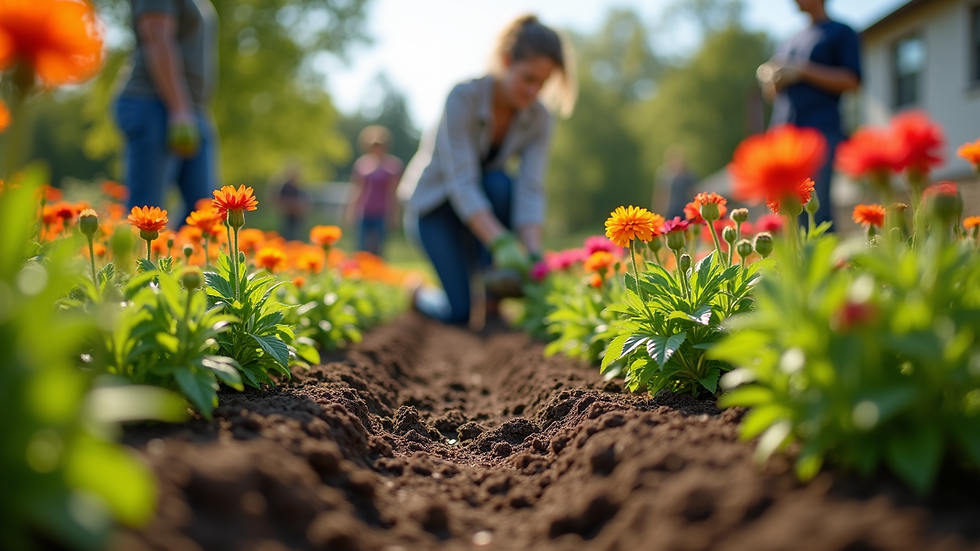
In a small urban neighborhood, residents noticed a lack of green spaces. They decided to create a community garden, bringing together diverse groups of people. This initiative not only beautified the area but also provided fresh produce to families in need. The garden became a gathering place for workshops, potlucks, and social events, fostering a sense of belonging and collaboration.
Case Study: The Neighborhood Watch Program
In another community, rising crime rates prompted residents to take action. They established a neighborhood watch program, encouraging neighbors to look out for one another. Through regular meetings and communication, they built trust and awareness. As a result, crime rates decreased, and residents felt safer in their homes.
Overcoming Barriers to Engagement
While the benefits of community engagement are clear, many people face barriers that prevent them from getting involved. Here are some common challenges and how to overcome them:
Time Constraints
Many individuals feel they lack the time to engage in community activities. To address this, consider:
Start Small: Even dedicating an hour a week can make a difference. Look for opportunities that fit your schedule.
Combine Activities: Involve your family or friends in community events. This way, you can spend quality time together while contributing to the community.
Lack of Awareness
Some people may not know how to get involved. To combat this, try:
Research Local Opportunities: Use online resources or community bulletin boards to find volunteer opportunities and events.
Ask Around: Talk to neighbors or friends about their experiences. They may have valuable insights or connections.
Fear of Rejection
Many individuals hesitate to engage due to fear of not fitting in. To overcome this:
Be Open: Approach new situations with a positive attitude. Most community members are welcoming and eager to connect.
Find a Buddy: Attend events with a friend or family member. Having someone familiar can ease anxiety and make the experience more enjoyable.
The Role of Local Organizations
Local organizations play a crucial role in facilitating community engagement. They often provide resources, support, and opportunities for residents to connect. Here are some ways these organizations contribute:
Organizing Events: Many organizations host events that bring the community together, such as festivals, workshops, and volunteer days.
Providing Resources: They often offer resources for residents looking to start their initiatives, such as grants, training, or mentorship.
Advocating for Change: Local organizations can advocate for community needs, ensuring that residents' voices are heard in local government.
Conclusion
Transforming lives in your neighborhood is a collective effort that requires the participation of everyone. By engaging with your community, you can help create a supportive environment where individuals thrive. Whether you choose to volunteer, support local businesses, or join community groups, your involvement matters.
Take the first step today. Reach out to a neighbor, attend a local event, or explore volunteer opportunities. Together, we can build stronger, more connected communities that uplift and empower everyone.
Remember, every small action contributes to a larger change. Join us in this journey of transformation and make a lasting impact in your neighborhood.

Comments