
Empowering Community Through Volunteer Opportunities

Volunteering is more than just giving your time; it’s about building connections, fostering community spirit, and making a tangible difference in the lives of others. In a world where individualism often takes precedence, volunteer opportunities serve as a powerful reminder of the strength found in community. This blog post explores how engaging in volunteer work can empower communities, enhance personal growth, and create lasting change.
The Importance of Community Engagement
Community engagement is essential for fostering a sense of belonging and shared responsibility. When individuals come together to support a common cause, they create a network of support that can lead to significant improvements in their surroundings. Here are some key reasons why community engagement through volunteer opportunities is vital:
Strengthens Relationships: Volunteering helps build connections among community members, fostering friendships and collaboration.
Enhances Local Resources: Communities that engage in volunteer work often see improvements in local resources, such as parks, schools, and community centers.
Promotes Inclusivity: Volunteer opportunities can bring together people from diverse backgrounds, promoting understanding and inclusivity.
Types of Volunteer Opportunities
There are countless ways to get involved in your community. Here are some popular types of volunteer opportunities that can make a significant impact:
1. Environmental Initiatives
Participating in environmental projects, such as community clean-ups or tree planting, helps preserve local ecosystems. These initiatives not only beautify neighborhoods but also educate participants about sustainability.
2. Educational Programs
Volunteering in schools or tutoring programs can help bridge educational gaps. Mentoring students or assisting teachers can inspire the next generation and provide valuable support to overworked educators.
3. Health and Wellness
Volunteering at local hospitals, clinics, or health fairs can improve community health outcomes. Whether it’s providing support to patients or organizing wellness events, these efforts can lead to healthier communities.
4. Social Services
Many organizations focus on helping vulnerable populations, such as the homeless or elderly. Volunteering at shelters, food banks, or senior centers can provide essential services and companionship to those in need.
5. Arts and Culture
Engaging in arts and culture initiatives, such as community theater or local festivals, can enrich the cultural fabric of a community. These opportunities allow individuals to express themselves creatively while bringing people together.
Benefits of Volunteering
Engaging in volunteer work offers numerous benefits, not just for the community but also for the volunteers themselves. Here are some of the key advantages:
Personal Growth
Volunteering can lead to personal development in various ways:
Skill Development: Volunteers often acquire new skills, from leadership to project management, which can enhance their resumes.
Increased Confidence: Taking on new challenges can boost self-esteem and confidence.
Networking Opportunities: Volunteering allows individuals to meet like-minded people and expand their professional networks.
Mental and Physical Health
Research shows that volunteering can have positive effects on mental and physical health:
Reduced Stress: Helping others can lead to a sense of fulfillment and reduce feelings of stress and anxiety.
Improved Mood: Engaging in volunteer work can increase happiness and life satisfaction.
Physical Activity: Many volunteer opportunities involve physical activity, which can improve overall health.
Community Impact
The collective efforts of volunteers can lead to significant changes in communities:
Addressing Local Needs: Volunteers can help identify and address pressing community issues, leading to targeted solutions.
Building Resilience: Strong community networks foster resilience, enabling communities to better withstand challenges.
How to Get Started with Volunteering
If you’re interested in making a difference in your community, here are some steps to get started:
Identify Your Interests
Consider what causes resonate with you. Are you passionate about the environment, education, or social justice? Identifying your interests will help you find volunteer opportunities that align with your values.
Research Local Organizations
Look for local nonprofits or community organizations that align with your interests. Websites like VolunteerMatch or local community boards can provide a wealth of information on available opportunities.
Commit Your Time
Decide how much time you can realistically dedicate to volunteering. Whether it’s a few hours a month or a weekly commitment, consistency is key to making a meaningful impact.
Spread the Word
Encourage friends and family to join you in your volunteer efforts. Volunteering together can enhance the experience and strengthen relationships.
Overcoming Barriers to Volunteering
While volunteering is rewarding, some individuals may face barriers that prevent them from getting involved. Here are some common challenges and how to overcome them:
Time Constraints
Many people feel they don’t have enough time to volunteer. Consider:
Micro-Volunteering: Look for short-term or one-time opportunities that fit into your schedule.
Incorporate Volunteering into Daily Life: Find ways to volunteer during your regular activities, such as organizing a community clean-up during a neighborhood gathering.
Lack of Experience
Some may feel unqualified to volunteer. Remember that many organizations provide training and support for new volunteers. Start with roles that match your current skills and gradually take on more responsibilities.
Fear of Commitment
If you’re hesitant about making a long-term commitment, look for flexible opportunities. Many organizations welcome volunteers for short-term projects or events.
The Role of Technology in Volunteering
In recent years, technology has transformed the way people engage in volunteer work. Here are some ways technology is enhancing volunteer opportunities:
Online Platforms
Websites and apps make it easier to find and sign up for volunteer opportunities. Platforms like VolunteerMatch and Idealist connect volunteers with organizations based on their interests and skills.
Virtual Volunteering
Remote volunteering options have expanded, allowing individuals to contribute from anywhere. Tasks like online tutoring, virtual event planning, or social media management can be done from home.
Social Media Awareness
Organizations use social media to raise awareness about their causes and recruit volunteers. Following local nonprofits can keep you informed about upcoming events and opportunities.
Inspiring Stories of Volunteer Impact
Real-life stories can illustrate the profound impact of volunteering. Here are a few examples:
Community Garden Project
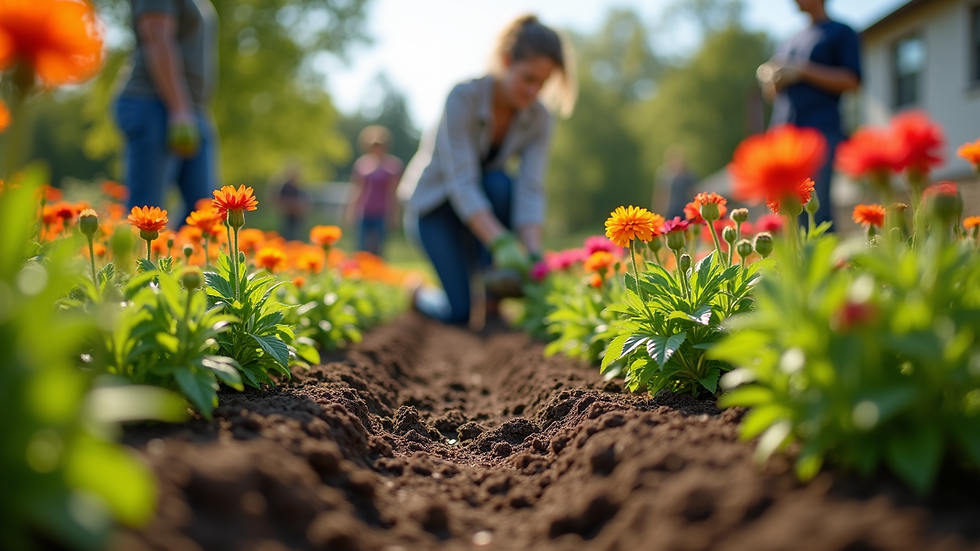
In a small town, a group of volunteers came together to transform a vacant lot into a community garden. This initiative not only beautified the area but also provided fresh produce to local families. The project fostered a sense of community and encouraged residents to work together for a common goal.
Literacy Program Success
A local library launched a literacy program that paired volunteers with adults seeking to improve their reading skills. Over the course of a year, participants reported increased confidence and job opportunities, showcasing the transformative power of education.
Disaster Relief Efforts
After a natural disaster struck a nearby community, volunteers from various backgrounds united to provide relief. They organized food drives, distributed supplies, and offered emotional support to those affected. This collective effort demonstrated the strength of community in times of crisis.
Conclusion
Volunteering is a powerful way to empower communities and foster personal growth. By engaging in volunteer opportunities, individuals can make a meaningful impact while building connections and enhancing their own lives. Whether you’re passionate about the environment, education, or social services, there’s a place for you in the world of volunteering. Take the first step today, and discover the rewards of giving back to your community.
As you consider your next steps, remember that every small action counts. Find a cause that resonates with you, and get involved. Together, we can create stronger, more vibrant communities through the power of volunteerism.


Comments